Reflecting on the emotional aspects of gambling
The Allure of Gambling
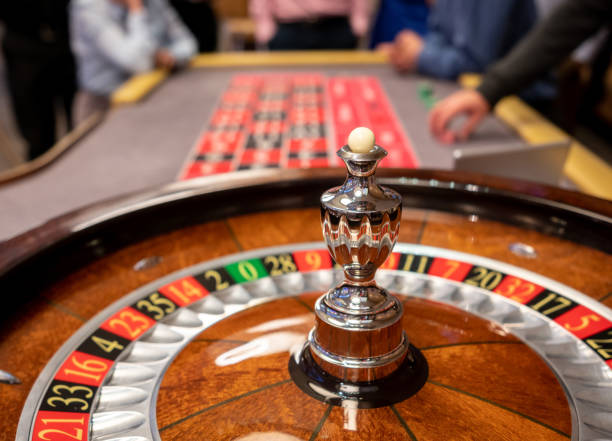
Gambling is often seen as a thrilling escape, a way to experience excitement in a controlled environment. The allure lies in the anticipation of a potential win, a rush of adrenaline that captivates millions around the world. This emotional high can lead individuals to return time and again, hoping to replicate that euphoric feeling. The possibility of winning big creates a dreamlike atmosphere, where fantasies of wealth and success take over rational thought. Many are drawn to games like all bets blackjack for this very reason, captivated by the promise of both excitement and fortune.
However, the excitement that gambling brings can quickly turn into obsession. Many individuals find themselves entrapped in a cycle of gambling, where the initial thrill transforms into an overwhelming urge. The emotional roller coaster—ranging from elation to despair—can take a toll on mental health, leading to anxiety, depression, and strained relationships. Understanding this emotional aspect is crucial for recognizing the potential pitfalls of gambling.
The Emotional Toll of Loss
The experience of losing in gambling is starkly different from that of winning. The emotional impact of a loss can be profound, often leading to feelings of shame, guilt, and frustration. This emotional response can vary widely from person to person, depending on their circumstances and relationship with money. For some, a significant loss may trigger a downward spiral, forcing them to gamble even more in hopes of recouping their losses. This cycle can create a dangerous situation where the emotional fallout becomes increasingly challenging to manage.
Furthermore, the pressure to maintain appearances can exacerbate these feelings. Many individuals feel compelled to hide their losses from family and friends, leading to isolation. This emotional burden can amplify feelings of loneliness and despair, making it even harder to break free from the cycle of gambling. Understanding the emotional toll of loss can help individuals recognize when they may need support or intervention.
The Role of Community and Support
Gambling can often serve as a social activity, where individuals bond over shared experiences in casinos or online platforms. However, the emotional aspects of gambling extend beyond the individual, impacting friends and family members as well. The dynamics of relationships can shift significantly when one party engages in gambling behavior, leading to tension and conflict. Open discussions about these emotional challenges can foster understanding and create a supportive environment for those affected. 
Support groups and counseling services play a vital role in helping individuals navigate the emotional landscape of gambling. Sharing experiences with others who have faced similar challenges can provide comfort and validation. Moreover, professional help can offer strategies to manage the emotional highs and lows associated with gambling, promoting healthier coping mechanisms and reducing the risk of addiction.
Understanding the Emotional Landscape of Gambling
At its core, the emotional landscape of gambling is complex and multifaceted. For many, it is about more than just the act of betting; it encompasses aspirations, fears, and interpersonal relationships. Recognizing the emotional dimensions can empower individuals to approach gambling with a healthier mindset, prioritizing self-awareness and emotional well-being. Engaging with supportive communities and resources can provide essential guidance for those grappling with the emotional challenges of gambling.
As we reflect on the emotional aspects of gambling, it becomes clear that education and awareness are key. Understanding the nuances of emotional responses can lead to better decision-making and healthier habits. By fostering open conversations and seeking support, individuals can navigate the intricate emotional landscape of gambling and minimize its potential negative impact on their lives.