
The term “scope of the casino” refers to the range of activities, services, and regulations that define the operational framework of a richville casino online. This concept encompasses various elements that contribute to the overall functioning of a casino, including gaming operations, customer experience, regulatory compliance, and economic impact. Understanding the scope of the casino is essential for stakeholders, including operators, investors, and regulators, as it provides insights into the potential opportunities and challenges within the gaming industry.
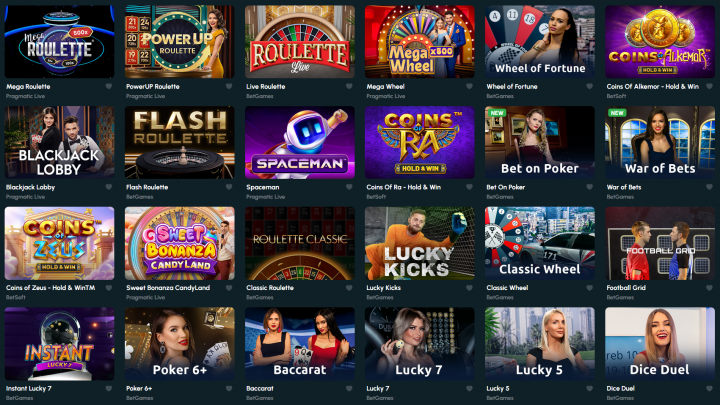
At its core, the scope of the casino includes the types of games offered, such as slot machines, table games, and electronic gaming devices. Each of these categories attracts different demographics and influences the casino’s marketing strategies. The variety of games available can significantly affect a casino’s revenue, as players are drawn to establishments that offer their preferred gaming experiences. Furthermore, the introduction of new games and technologies can expand the casino’s appeal and enhance customer engagement.
In addition to gaming options, the scope of the casino also encompasses ancillary services aimed at enhancing the overall customer experience. These services often include dining options, entertainment, hotel accommodations, and retail outlets. By providing a comprehensive entertainment package, casinos can attract a broader audience and encourage longer stays, ultimately increasing their revenue potential. The integration of these services is a strategic move to create a destination experience rather than merely a gaming venue.
Regulatory compliance is another critical aspect of the casino’s scope. Casinos operate under strict regulations that vary by jurisdiction, affecting everything from licensing requirements to responsible gaming initiatives. Understanding the legal landscape is vital for casino operators to ensure they adhere to local laws and maintain their licenses. Additionally, compliance with regulations related to anti-money laundering (AML) and responsible gaming practices is essential for building trust with customers and regulators alike.
The economic impact of casinos is also a significant factor in understanding their scope. Casinos contribute to local economies through job creation, tourism, and tax revenue. The presence of a casino can stimulate economic development in surrounding areas, leading to increased business for hotels, restaurants, and other local attractions. However, it is essential to balance this economic benefit with potential social costs, such as gambling addiction and crime, which can arise from increased gaming activity.
Moreover, the scope of the casino extends to technological advancements that are reshaping the gaming landscape. Innovations such as mobile gaming, online casinos, and virtual reality experiences are expanding the reach of casinos beyond traditional brick-and-mortar establishments. This shift necessitates a reevaluation of marketing strategies and operational practices to cater to a digitally-savvy clientele.
In conclusion, the scope of the casino is a multifaceted concept that includes gaming operations, customer services, regulatory compliance, economic impact, and technological advancements. Understanding this scope is crucial for stakeholders to navigate the complexities of the gaming industry effectively. As the landscape continues to evolve, casinos must adapt to changing consumer preferences and regulatory environments to remain competitive and sustainable in the long term. This comprehensive understanding will enable operators to leverage opportunities while addressing the challenges inherent in the casino business.